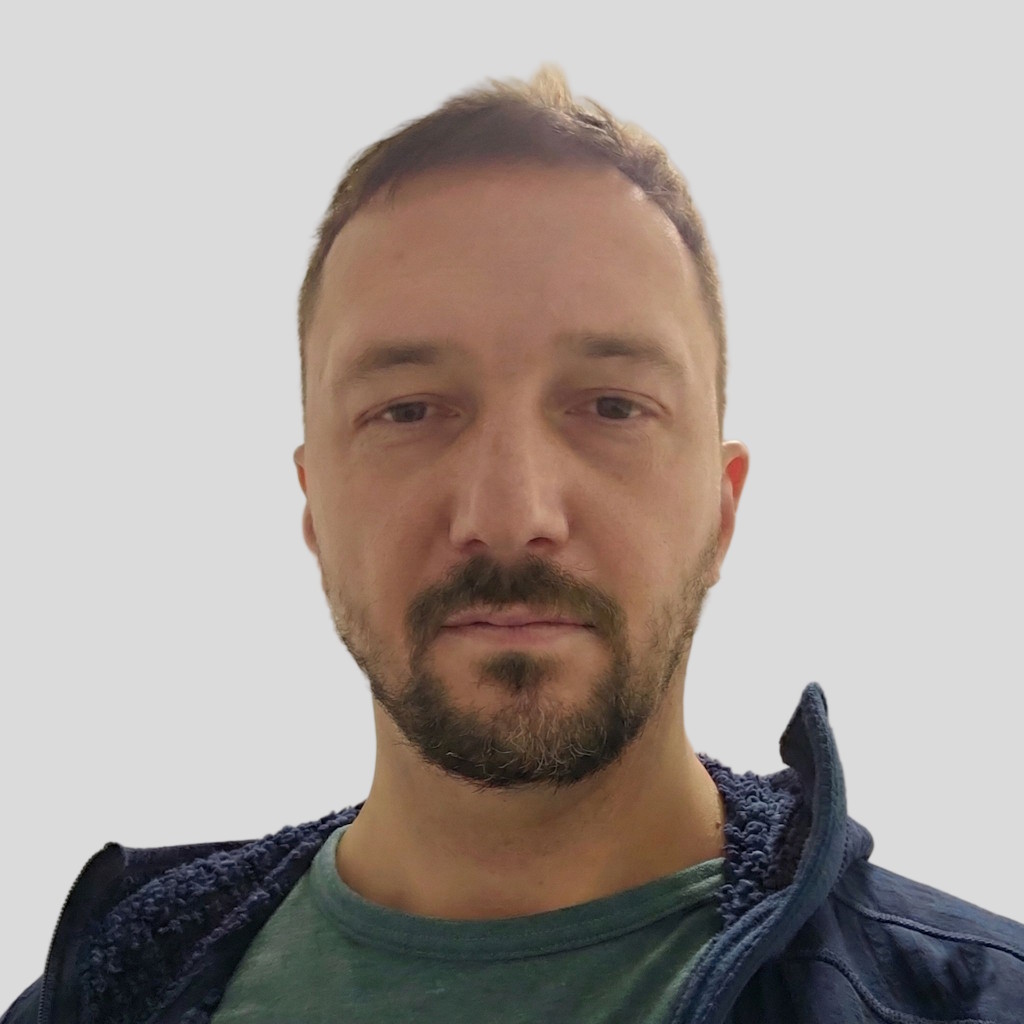
I’m Andrey Minogin, a software architect with 15+ years on data-intensive systems. I find out why a system in production is slow, expensive or wrong — in Java and Kotlin services, in PostgreSQL, and in LLM workflows — and tell you what to change.
The problems I take are the ones that survive profiling and the obvious fixes: the symptom and the cause sit in different places.
What I get called for
- A query or endpoint that stopped scaling, and indexing and tuning no longer move it.
- PostgreSQL that behaves in production unlike anywhere else — plans that flip, locks under concurrency, autovacuum that stops keeping up.
- Latency that creeps up under real load but looks fine in staging.
- Memory and GC problems in JVM services holding large data structures.
- Work sitting in the wrong layer — sometimes in the database when it belongs in the application, sometimes the other way round.
- An LLM workflow in production whose bill grew faster than its usage, or whose latency nobody planned for.
- LLM output that has quietly changed since last month, and no one can say when or why.
When the head of one of the world’s top PostgreSQL consultancies was brought in to review database performance work I had done, his conclusion after a day on site: there was nothing he could add.
Work on your system
Start here: two sessions on your system
For when something is clearly wrong and nobody can say where to start.
- Session one, 4 hours. Your team walks me through the system and what hurts. I listen and ask.
- In between. I go through what I heard against your schema, code and metrics.
- Session two, 4 hours. What I found, what to do first, and why. Decisions get made in the room.
- Afterwards. A written note: findings in order of importance, what to change, what to leave alone — and what to change in how you work, so the next one of these your team handles itself.
€2,000 fixed · on site in Vienna or remote
What can follow
- Architecture review. A design you are about to build, or one you already run. Where it breaks, what it will cost you later, which parts are fine as they are.
- Area audit. When it needs a deeper look than two sessions: I go through a whole area — the database, a service, an LLM pipeline — and come back with findings in order of importance. If it comes down to one concrete problem, there is a narrow version.
- Architecture development. Something new, or a rebuild of something that stopped scaling. I design it and build the core; your team takes it from there.
Scope and price agreed after the first sessions.
Training for your team
Days on a subject your team needs to own — on your own code and data where possible, so the examples are the ones you actually have.
- PostgreSQL under production load
- Kotlin coroutines
- Hexagonal architecture
- Keeping LLM workflows reliable in production
From €2,000 per day · on site or remote